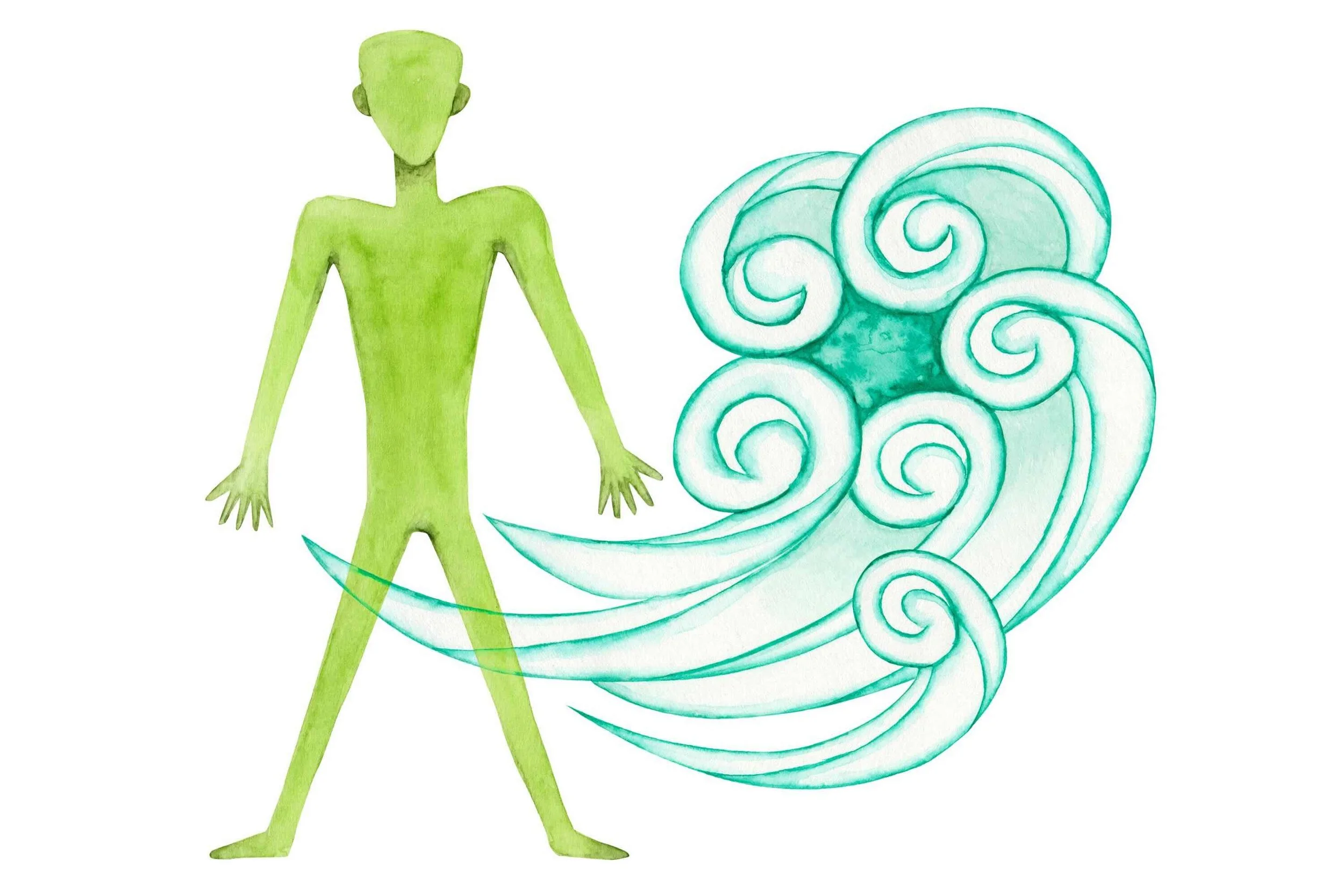

Vata in Ayurveda: the energy of movement and change
Understand the nature of Vata, its most common imbalances, and how to balance it with Ayurveda.
In Ayurveda, Vata is the dosha responsible for all processes of movement in the body and mind. It is composed of the elements air and ether, and governs essential functions such as respiration, circulation, the nervous system, muscle movement, and mental activity.
When Vata is in balance, it brings creativity, vitality, flexibility, and mental quickness. Individuals with a predominance of this dosha often exhibit qualities such as imagination, enthusiasm, sensitivity, and an ease in adapting to change.
However, when the Vata dosha becomes imbalanced, symptoms related to instability, dryness, or an overactive nervous system may appear. In Ayurveda, understanding the nature of Vata helps in recognizing these signs and applying habits and therapies to restore balance.
Characteristics of the Vata dosha
The Vata dosha is associated with movement and communication within the body. It regulates the transmission of nerve impulses, respiration, circulation, and joint mobility.
People with a predominance of Vata often exhibit some of these characteristics:
light or slender constitution
creative and imaginative mind
quickness of thought and learning
great adaptability to change
variable energy throughout the day
tendency to feel cold or dry
When these qualities are balanced, Vata brings creativity, dynamism, and the ability to move.
Symptoms of Vata imbalance
Imbalanced Vata often manifests as excessive movement or irregularity in the body. This imbalance can arise from various causes, such as stress, constant changes in routine, lack of rest, frequent travel, or an irregular diet.
Some common signs of aggravated Vata may include:
feeling of restlessness or anxiety
difficulty sleeping or light sleep
irregular digestion or gas
dryness of the skin or body
fatigue or energy instability
difficulty concentrating
feeling of cold
When these symptoms appear persistently, Ayurveda recommends restoring Vata balance through dietary changes, lifestyle adjustments, and specific therapies.
How to Balance Vata According to Ayurveda
The goal of Ayurveda is to maintain balance among the three doshas: Vata, Pitta, and Kapha. When Vata is aggravated, the aim is to introduce opposing qualities that bring calm, stability, and nourishment.
Some general recommendations for balancing Vata include:
maintain regular daily routines
Choose warm, nutritious foods
Avoid skipping meals or eating at irregular times.
ensure proper rest and reduce excessive activity
Engage in activities that promote mental calm
In Ayurveda, traditional treatments and therapies may also be recommended, aimed at nourishing the nervous system and promoting dosha balance.
Ayurvedic Consultation and Vata Balance
In an Ayurvedic consultation, the individual constitution (Prakriti) and the current state of the doshas (Vikriti) are analyzed. This analysis helps to understand if Vata is balanced or aggravated, and what factors may be influencing that imbalance.
Based on this assessment, personalized recommendations can be made, including:
nutritional guidance
adjustments to daily routines
self-care practices
Ayurvedic therapies tailored to each person
This individualized approach allows us to address the root cause of the imbalance and promote a more stable and lasting state of well-being.
Frequently Asked Questions About Vata (FAQs)
What is Vata in Ayurveda?
In Ayurveda, Vata is one of the three doshas that regulate the functioning of the body and mind. It is composed of the elements air and ether, and is associated with movement, respiration, circulation, and nervous system activity.
How to know if your Vata is imbalanced?
Imbalanced Vata can manifest with symptoms such as anxiety, difficulty sleeping, irregular digestion, dryness in the body, or a feeling of energetic instability. An Ayurvedic consultation allows for the evaluation of the doshas' state and the detection of potential imbalances.
How to naturally balance Vata?
To balance Vata, Ayurveda recommends adopting stable routines, maintaining regular meal and rest schedules, consuming warm and nourishing foods, and practicing activities that help calm the nervous system.
The Three Doshas in Ayurveda
In Ayurveda, health is understood as the balance between Vata, Pitta, and Kapha, the three fundamental energies that regulate the functions of the body and mind. Each person possesses a unique combination of these doshas that defines their individual constitution.
You can also learn about the characteristics of the other doshas:
Pitta in Ayurveda → energy of transformation and metabolism
Kapha in Ayurveda → energy of structure and stability
Understanding the interaction between Vata, Pitta, and Kapha helps identify imbalances and apply personalized recommendations to promote well-being.
Ayurveda aims to restore the body's natural balance. Through an Ayurvedic consultation, you can understand your constitution and receive personalized guidance to promote well-being.