Pitta in Ayurveda: Energy of Transformation and Metabolism
Understand the nature of Pitta, its most common imbalances, and how to balance it with Ayurveda.
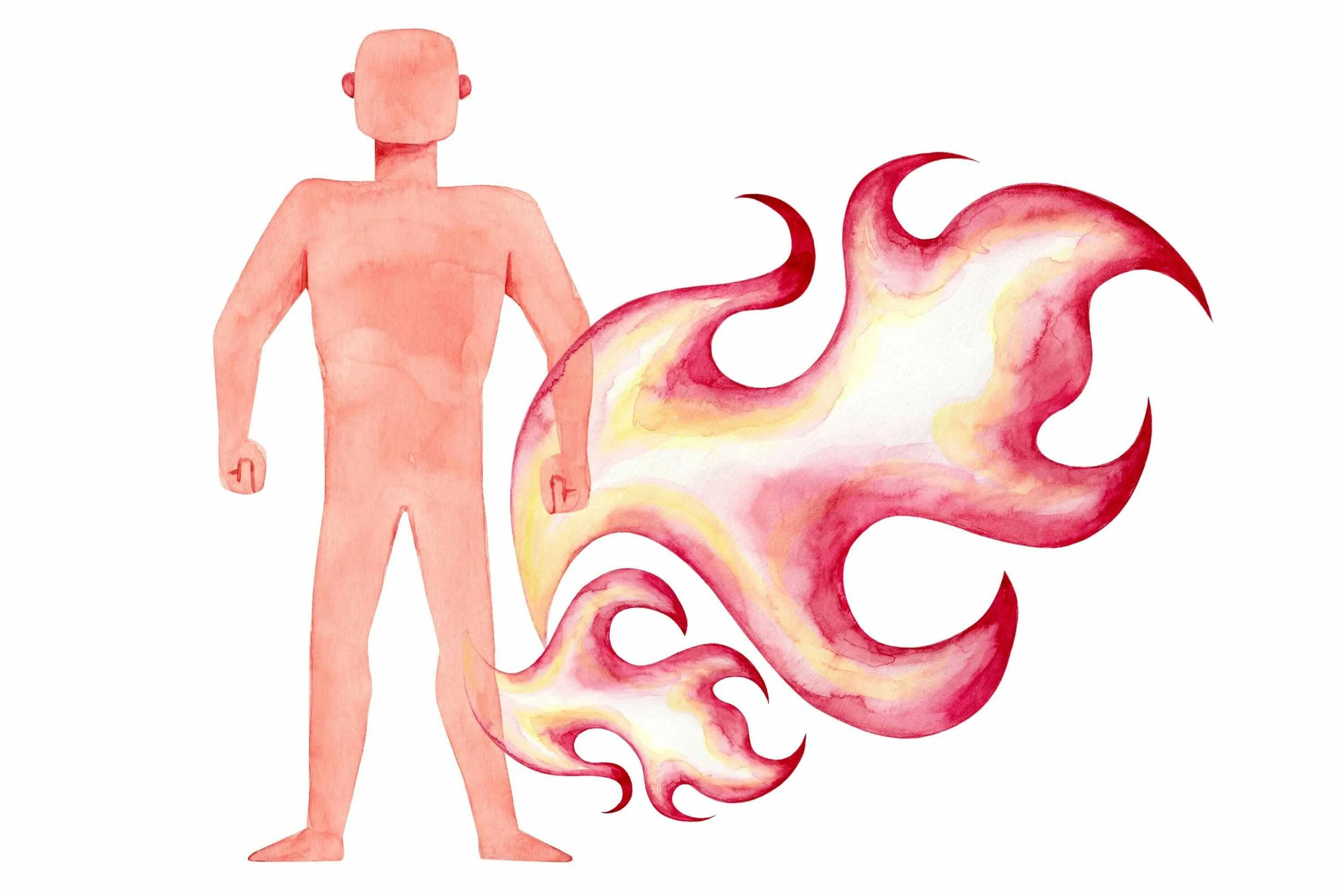
In Ayurveda, Pitta is the dosha responsible for the body's transformational processes. It is primarily composed of the elements fire and water, and governs essential functions such as digestion, metabolism, body temperature, mental clarity, and the capacity for discernment.
When Pitta is in balance, it brings energy, intelligence, good digestion, and a clear mind. Individuals with a predominance of this dosha often exhibit qualities such as determination, leadership skills, organization, and an analytical mind.
However, when the Pitta dosha becomes imbalanced, an excess of heat can manifest in the body, affecting both physical and emotional well-being. In Ayurveda, understanding the nature of Pitta allows for the recognition of these signs and the application of habits and therapies that help restore balance.
Characteristics of the Pitta dosha
The Pitta dosha is associated with all transformative functions of the body. For this reason, it is closely linked to metabolism, digestion, and hormonal and enzymatic processes.
People with a predominance of Pitta often exhibit some of these characteristics:
strong digestion and an active metabolism
clear, logical, and focused mind
ease in planning and decision-making
natural leadership ability
tendency towards intensity and productivity
sensitivity to heat or elevated body temperature
When these qualities are balanced, Pitta brings dynamism, mental clarity, and the capacity for transformation.
Symptoms of Pitta imbalance
Imbalanced Pitta often manifests as an excess of heat or intensity in the body. This imbalance can be linked to various factors, such as prolonged stress, overwork, a diet high in spicy or acidic foods, or frequent exposure to heat.
Some common signs of aggravated Pitta may include:
heartburn or acid reflux
inflammation or irritation in the body
excessive sweating
irritability or impatience
tendency towards perfectionism or criticism
sensation of internal heat
skin or eye sensitivity
When these symptoms persist, Ayurveda recommends reducing excess heat and restoring the balance of the Pitta dosha through changes in diet, lifestyle, and specific therapies.
How to Balance Pitta According to Ayurveda
The goal of Ayurveda is to maintain balance among the three doshas: Vata, Pitta, and Kapha. When Pitta is aggravated, the aim is to introduce opposing qualities that bring coolness, calm, and stability.
Some general recommendations for balancing Pitta include:
Favoring fresh, light, and natural foods
avoid excessive spicy foods, alcohol, or highly acidic foods
maintain regular rest and meal schedules
reduce stress and excessive self-pressure
Engage in activities that promote mental calm
In Ayurveda, traditional treatments and therapies may also be recommended to reduce excess heat in the body and promote a state of balance.
Ayurvedic Consultation and Balancing Pitta
In an Ayurvedic consultation, the individual constitution (Prakriti) and the current state of the doshas (Vikriti) are analyzed. This analysis helps to understand if Pitta is balanced or aggravated, and what factors might be influencing that imbalance.
Based on this assessment, personalized recommendations can be made, including:
nutritional guidance
adjustments to daily routines
self-care practices
Ayurvedic therapies tailored to each person
This individualized approach helps to address the root cause of the imbalance and promote a more stable and lasting well-being.
What is Pitta in Ayurveda?
In Ayurveda, Pitta is one of the three doshas, or biological energies, that regulate the body's functions. It is primarily associated with the elements fire and water, and governs processes such as digestion, metabolism, body temperature, and mental clarity. When Pitta is balanced, it contributes to energy, intelligence, and good digestion.
How to know if your Pitta is imbalanced?
Pitta imbalance often manifests as an excess of heat or intensity in the body. Common signs may include heartburn, irritability, inflammation, excessive sweating, or a sensation of internal heat. In Ayurveda, a personalized consultation helps assess the state of the doshas and identify potential imbalances.
How can you balance Pitta naturally?
To balance Pitta, Ayurveda recommends adopting habits that promote coolness, calm, and stability. This may include a balanced diet, avoiding excessive spicy or very acidic foods, maintaining regular routines, and engaging in stress-reducing activities. In some cases, specific Ayurvedic therapies tailored to each individual are also recommended.
The Three Doshas in Ayurveda
In Ayurveda, health is understood as the balance between Vata, Pitta, and Kapha, the three fundamental energies that regulate the functions of the body and mind. Each person possesses a unique combination of these doshas that defines their individual constitution.
You can also learn about the characteristics of the other doshas:
Vata in Ayurveda → energy of movement
Kapha in Ayurveda → energy of structure and stability
Understanding the interaction between Vata, Pitta, and Kapha helps identify imbalances and apply personalized recommendations to promote well-being.
Ayurveda aims to restore the body's natural balance. Through an Ayurvedic consultation, you can understand your constitution and receive personalized guidance to promote well-being.