

Ayurveda: Principles, Doshas, and Individual Constitution
The traditional science of life and balance
What is Ayurveda?
Ayurveda is one of the world's oldest traditional medicine systems. Originating in India and developed thousands of years ago, its name comes from Sanskrit: Ayur means life and Veda means knowledge or science. Ayurveda can be translated as “the science or knowledge of life”.
This therapeutic system is based on a deep understanding of human nature and proposes that health arises from the balance between the body, mind, and environment.
Unlike medical approaches focused exclusively on treating symptoms, Ayurveda considers each person a unique and dynamic system. Its main objective is to maintain or restore the body's natural balance, promoting health prevention and recovery.

In Indian tradition, Dhanvantari is regarded as the bearer of Ayurvedic knowledge.
A holistic approach to health
In Ayurveda, well-being extends beyond the physical state. Health is understood as a balanced condition that integrates various aspects of life:
the proper functioning of the body
mental and emotional clarity
balanced digestion
a harmonious lifestyle with the environment
When these factors are in balance, the body can maintain its natural capacity for regeneration. When they are disturbed, signs of imbalance begin to appear which, if they persist over time, can lead to various disorders.
That is why Ayurveda places special emphasis on prevention and understanding one's own nature.
The Five Elements in Ayurveda
Ayurvedic tradition describes nature through five fundamental elements:
ether
air
fire
water
land
These elements are present in both the environment and the human body, and they combine in various ways to give rise to the principles that regulate the body's functions.
These combinations give rise to the doshas, which represent the biological forces responsible for physiological and psychological processes.
The Three Doshas
In Ayurveda, the balance of body and mind is explained through three fundamental energies called doshas.
-
VATA
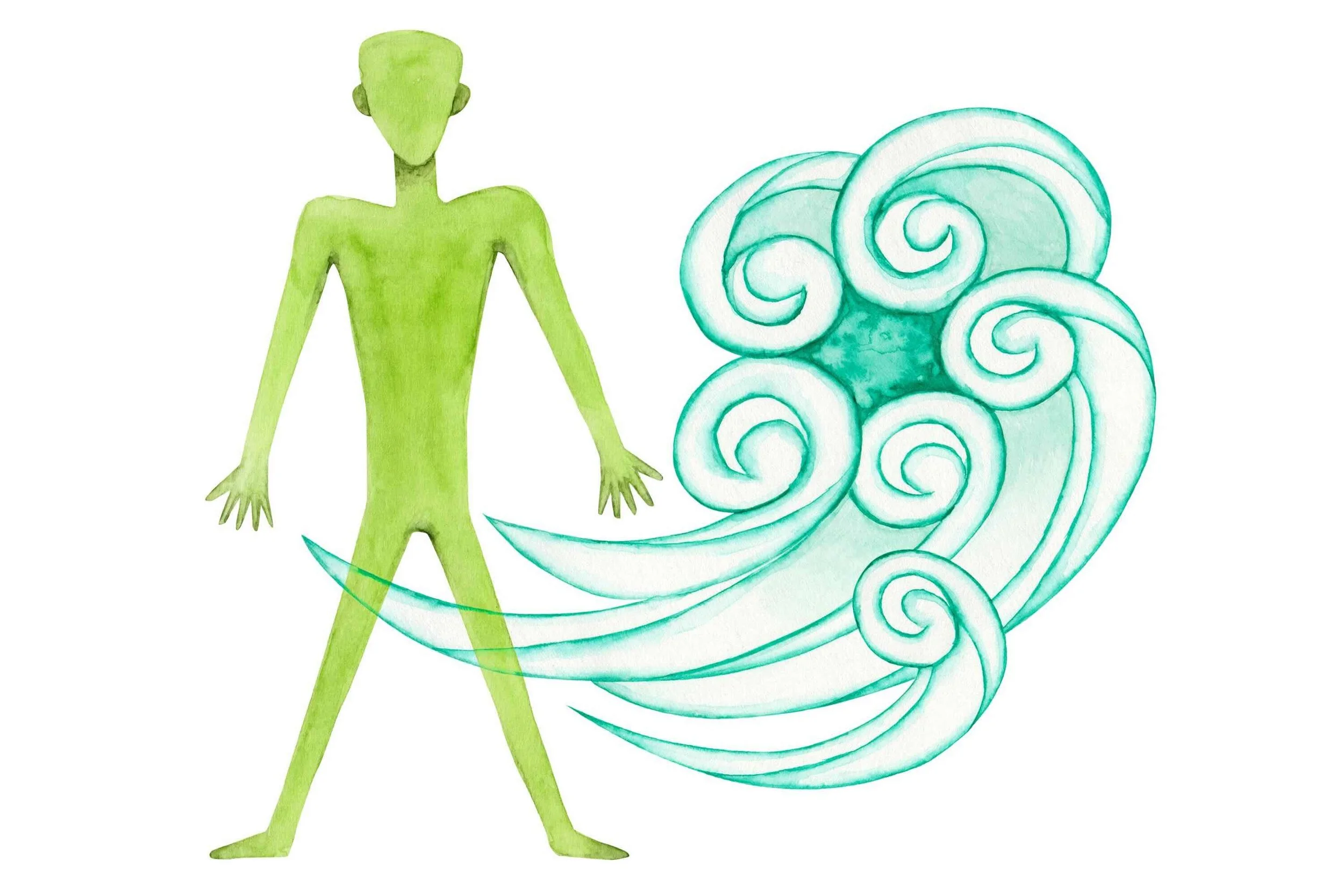
Vata is composed of the elements air and ether and represents the principle of movement. It regulates functions such as respiration, circulation, nervous system activity, and body mobility.
👉 Learn more about Vata
-
PITTA
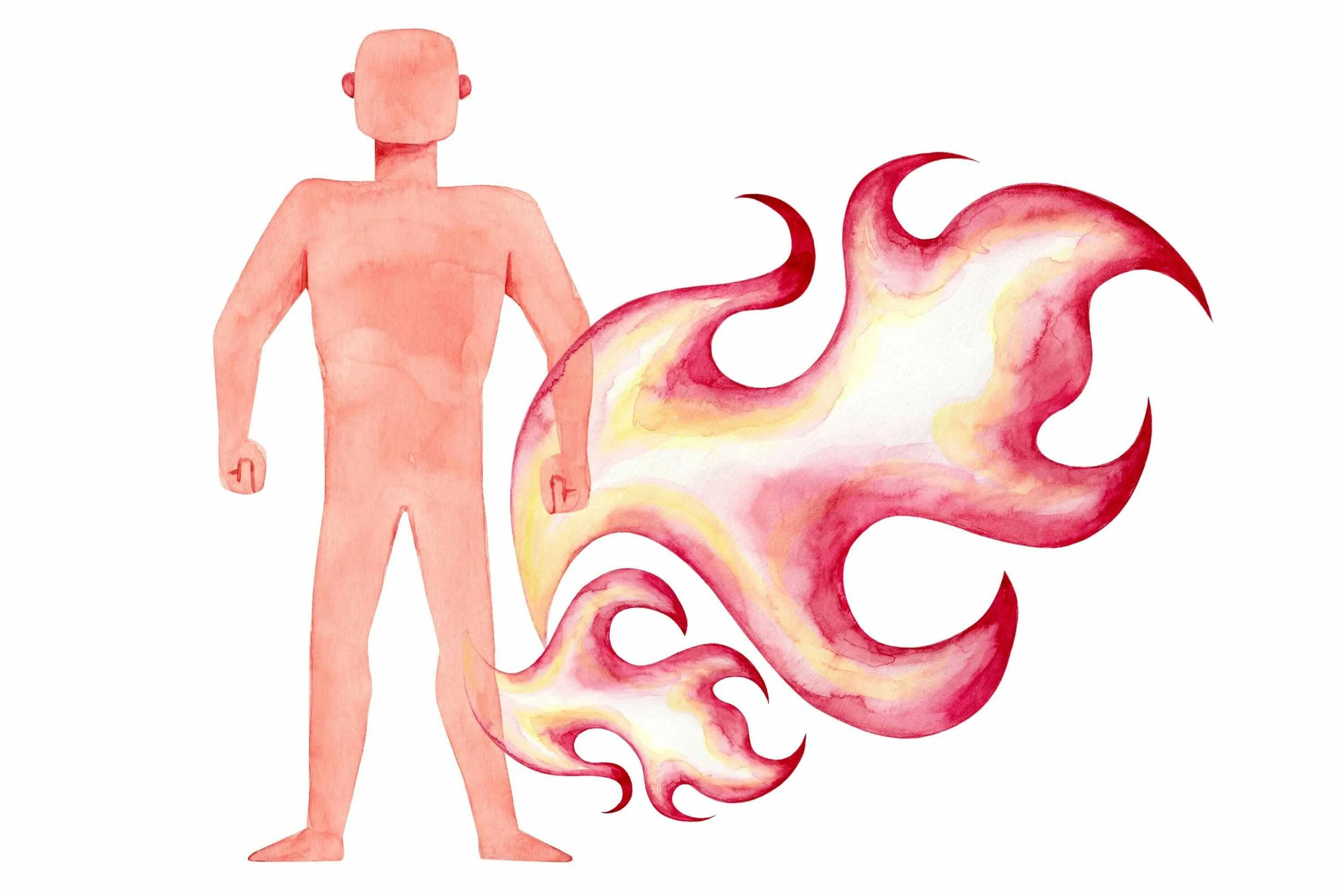
Pitta is associated with the elements fire and water and represents the principle of transformation. It is related to digestion, metabolism, and the processes that generate energy in the body.
-
KAPHA
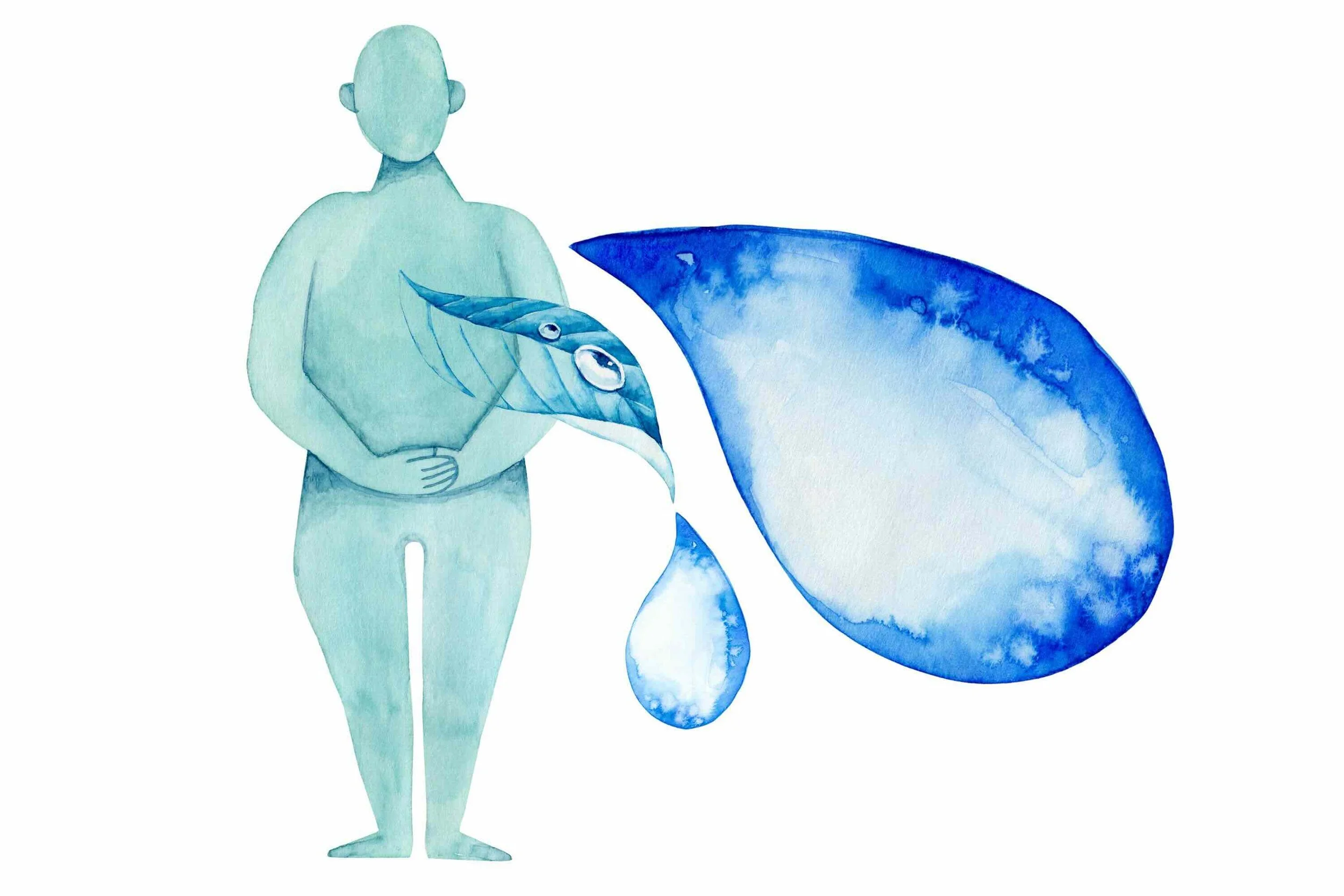
Kapha is composed of the elements water and earth, and it represents stability, structure, and nourishment. It is associated with physical endurance, tissue lubrication, and emotional stability.
👉 Learn more about Kapha
The individual constitution
In Ayurveda, each person possesses a unique constitution known as prakriti. This constitution is formed by the particular combination of the three doshas: Vata, Pitta and Kapha, which describe different functions and tendencies in the body.
In most people, one or two doshas are predominant, influencing aspects such as:
physical characteristics
type of digestion
energy level
emotional patterns
tendency to certain imbalances
Understanding this constitution allows for personalizing diet, routines, and treatments.
How to know your dosha
In Ayurveda, each person has a unique constitution known as prakriti, formed by the combination of the three doshas: Vata, Pitta, and Kapha.
In most people, one or two doshas are predominant, influencing aspects such as:
physical constitution
digestion
energy level
the stress response
health trends
Understanding your predominant dosha allows for the personalized adaptation of your diet, lifestyle, and Ayurvedic therapies.
Ayurvedic Dosha Test
Many people discover Ayurveda through a dosha test, a questionnaire that helps identify which energies may predominate in an individual's constitution.
These tests can offer initial guidance, although in traditional Ayurveda, the constitution is determined through a more comprehensive assessment that considers different aspects of the person and their lifestyle.
Exploring the characteristics of Vata, Pitta, and Kapha can also help to better understand one's own constitution.
Assessment of Ayurvedic constitution
Although there are guiding questionnaires, in Ayurveda, an individual's constitution is determined through a more comprehensive assessment that considers various aspects of the person, such as:
physical characteristics
digestion and metabolism
sleep habits
emotional state
lifestyle
This analysis helps to understand the balance between Vata, Pitta, and Kapha and detect potential imbalances.
Ayurveda Consultation
During an Ayurvedic consultation, your individual constitution is assessed, and personalized recommendations are offered, which may include:
nutritional guidance
adjustments to daily routines
Ayurvedic treatments
balancing programs such as Panchakarma
Various aspects of health and lifestyle are assessed to understand the individual's constitution and identify potential imbalances among Vata, Pitta, and Kapha.
Based on this assessment, personalized recommendations can be offered, including dietary adjustments, daily routines, and Ayurvedic therapies tailored to each person.

The Therapeutic Approach of Ayurveda
Ayurveda uses various tools to restore the body's balance. These include:
Nutritional guidance tailored to individual constitution
lifestyle recommendations
Ayurvedic daily routines
body therapies with medicated oils
relaxation and breathing practices
traditional purification programs such as Panchakarma
These practices aim to restore the balance of the doshas and strengthen the body's natural ability to maintain health.
Ayurveda and Prevention
One of the most valuable aspects of Ayurveda is its preventive approach. By understanding each person's individual nature and tendencies, it is possible to adopt habits that promote balance before deeper imbalances arise.
This approach allows for the development of a more conscious relationship with diet, rest, activity, and body care.